
The Role Played By Traditional Chinese Medicine in Preventing And Treating COVID-19 in China Ⅱ
Mar 01, 2023
The role of TCM on COVID-19
Studies have proved that TCM has a definite role in the treatment of COVID-19. After screening several existing Chinese medicines, the following patented Chinese medicines and formulae were selected: Jinhua Qinggan granules, Lianhua Qingwen capsules, Xuebijing injection, Qingfei Paidu decoction, Huashi Baidu decoction, and Xuanfei Baidu decoction. This selection of “three formulae and three medicines” has proven to be effective in patients afflicted with COVID-19, and is therefore recommended for use in the prevention and control of the epidemic globally.

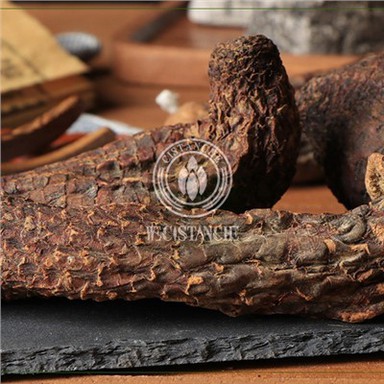
what is Traditional Chinese Medicine cistanche used for
Patented Chinese medicines
Lianhua Qingwen capsules
Lianhua Qingwen is a formulation prepared using the classical compounds Ma Xing Shi Gan Decoction and Yin Qiao San from ancient China. It is composed of 13 Chinese medicines including Lian Qiao (Fructus Forsythia), Jin Yin Hua (Flos Lonicerae), Ma Huang (Ephedra Herba), Xing Ren (Armeniacae Semen), and Shi Gao (Gypsum Fibrosum), etc. It is a commonly used patented Chinese medicine indicated in the treatment of common colds and influenza. A prospective multicenter open-label randomized controlled trial of 284 mild and moderate cases of COVID-19 patients showed that Lianhua Qingwen could improve the symptoms of fever, cough, and fatigue, and the median time to symptom recovery was markedly shorter in the treatment group [17].
And it was reported that Lianhua Qingwen prevented the aggravation of moderate cases of COVID-19 to severe forms [18]. Three retrospective studies involving 126 SARS-CoV-2-positive patients conducted in Wuhan’s hospitals showed that using Lianhua Qingwen as a routine treatment (nutrition support treatment, antiviral treatment, and antibacterial treatment according to the patient’s condition) led to a rapid improvement of fever, fatigue, cough, tightness in the chest, and poor appetite, and lowered the incidences of mild and moderate cases from turning severe [19 – 21]. Besides, it was found that Lianhua Qingwen could inhibit the replication of SARS-CoV-2, affect the viral morphology, and exert anti-inflammatory activity in vitro [22].
Jinhua Qinggan granules
Jinhua Qinggan granule is a patented Chinese formulation, which was developed for the treatment of influenza A (H1N1) in 2009. It consists of 12 Chinese medicines including Jin Yin Hua (Flos Lonicerae), Bo He (Menthae Haplocalycis Herba), Gan Cao (Glycyrrhizae Radix), etc. A controlled study in 123 patients showed that Jinhua Qinggan in combination with routine treatment could significantly and rapidly improve symptoms including fever, cough, fatigue, and expectoration, and also improve the patient scores on the Hamilton anxiety scale. The hospitalization rate of the experimental group was only 10.98%, while that of the control group was 24.39%.
Jinhua Qinggan cannot only improve common clinical symptoms in patients but can also alleviate their psychological anxiety [23]. Studies suggest that the active components in Jinhua Qinggan regulate multiple signaling pathways via binding to ACE2 and consequently act on targets such as PTGS2, HSP90AB1, HSP90AA1, PTGS1, and NCOA2 and thus help prevent COVID-19 [24]. Xuebijing injection Xuebijing injection, a patented Chinese medicine developed and marketed for the treatment of SARS in China, is composed of the extracts of 5 Chinese herbs, namely, Hong Hua (Carthami Flos), Chi Shao (Paeoniae Radix Rubra), Chuan Xiong (Chuanxiong Rhizoma), Dan Shen (Salvia Miltiorrhizae Radix and Rhizoma), and Dang Gui (Angelicae Sinensis Radix).

This injection is indicated for systemic inflammatory response syndrome induced by infections. A randomized controlled clinical trial in a cohort of 710 patients with severe cases of pneumonia with sepsis confirmed that the combination of Xuebijing injection and a common anti-infective could significantly reduce the mortality in patients with severe pneumonia, improve their pneumonia-severity index, and shorten the duration of mechanical ventilation and length of ICU stay [25].
In the treatment of severe and critical cases, clinical studies showed that the combined use of Xuebijing injection and western medicine improved the recovery and discharge rate of COVID-19 patients and reduced the incidence of severely ill patients from worsening to critically ill. Experimental research indicates that this formulation exhibits antiviral effects in vitro. Results suggest that this formulation can significantly inhibit inflammatory factors induced by SARS-CoV-2 infections. Apart from reducing inflammatory reactions and preventing cytokine storms, Xuebijing also exhibited antithrombotic functions, which could prevent vascular embolism caused by COVID-19 [18].
Chinese herbal compounds
Huashi Baidu decoction
The Huashi Baidu Decoction is composed of 14 TCMs including Ma Huang (Herba Ephedrae), Xing Ren (Armeniacae Semen), Shi Gao (Gypsum Fibrosum), Huo Xiang (Pogostemonis Herba), Hou Po (Magnolia officinalis Cortex), and Da Huang (Rhei Radix et Rhizoma). This decoction is capable of providing immunity against viral infections, reducing inflammation, and enhancing immunity. Thus, the Huashi Baidu decoction is suitable for treating patients exhibiting mild, moderate, and severe symptoms of COVID-19.
Studies have confirmed that this formulation can be effective as a multi-target comprehensive treatment regimen in SARS-CoV-2-positive patients and can significantly shorten the time to nucleic acid turning to negative. In addition, it can reduce the average length of hospitalization and significantly improve clinical symptoms, which can be detected using physical and chemical examination methods, as well as pulmonary CT imaging studies. Additionally, Huashi Baidu could reduce the viral load in lung tissue by 30% in a mouse model. The National Medical Products Administration has officially approved Huashi Baidu granules for clinical trials [26].
Qingfei Paidu decoction
Qingfei Paidu decoction comes from Ma Xing Shi Gan decoction, Xiao Chai Hu decoction, Wu Ling San, and other classic TCM formulae. It consists of 21 Chinese herbal medicines and is suitable for patients exhibiting mild, moderate, and severe symptoms of COVID-19. It resolved fever, cough, and fatigue, rapidly and effectively, and also improved the outcome of lung pathogenesis in patients exhibiting severe symptoms of COVID-19. The changes in lung pathogenesis were confirmed via imaging studies. In an initial study, 214 SARS-CoV-2-infected patients have treated with Qingfei Paidu decoction in a pilot study in 4 provinces in China, over a treatment course lasting 3 days. The efficacy of this decoction was over 90%, and the symptoms in more than 60% of patients improved [27].

As a result, Qingfei Paidu decoction was introduced into China’s National Diagnosis and Treatment Protocol for COVID-19 and has become the first recommended universal treatment method in TCM therapy. As of March 23, 2020, the Qingfei Paidu decoction has been used in 28 provinces and cities in China and demonstrated positive outcomes. A total of 1265 patients with COVID-19 were observed in 66 designated hospitals in 10 provinces outside Hubei, and none of the patients that exhibited mild or moderate symptoms worsened to critical conditions. Of the 1265 patients, 1241 (98%) were cured and subsequently discharged. Additionally, 57 patients who displayed severe symptoms were given Qingfei Paidu decoction, and none of them experienced a deterioration of their existing condition. Less liver or kidney injury was found in patients who were cured and discharged [28].
Xuanfei Baidu formula
Xuanfei Baidu was created based on classic decoction formulae including Maxing Shigan, Maxing Yigan, Tingli Dazao Xiefei, and Qianjin Weijing. It includes 13 Chinese herbal medicines such as Ma Huang (Ephedra Herba), Xing Ren (Armeniacae Semen), Shi Gao (Gypsum Fibrosum), Huo Xiang (Pogostemonis Herba), and Qing Hao (Artemisia annual Herba), etc., and was indicated for the treatment of mild and moderate cases of COVID-19. Studies show that this formula effectively shortens the improvement time of clinical symptoms and temperature spikes. It also reduces the average length of hospitalization and prevents the worsening of symptoms in mild- and moderate categories of patients to a certain extent.
A clinical study conducted in the Wuhan Hospital of Traditional Chinese Medicine and the Hubei Province Hospital of Integrated Chinese and Western Medicine showed that the group receiving Xuanfei Baidu formula (n = 70) displayed a significant reduction in inflammation and an improvement in lymphocyte count as compared to the control group (n = 50). The lymphocyte count in the Xuanfei Baidu group increased by 17% while the recovery rate increased by 22% [18] when compared to the control group. It was found that Xuanfei Baidu interfered with the biological processes related to the onset and development of COVID-19, reduced inflammation, and improved hepatobiliary and other metabolic functions. This formulation was useful in developing immunity, reducing inflammation, combating viral infection by reducing viral protein transcription, regulating hepatobiliary metabolism, and restoring energy and metabolism balance [29].
Instructions and suggestions
Limitations
Contrary to the requirements of the medical ethics body, there were no large-scale clinical studies conducted on SARS-CoV-2-positive patients in China using TCM alone. Most patients enrolled in the clinical studies cited in this study used TCM combined with other medical modalities including nutritional support, antiviral agents, antibacterial drugs, symptomatic support systems, and pharmacological agents for comorbidities.

Owing to the novelty of this
pandemic and an urgency to develop a suitable treatment
model, a long-term research study on the efficacy and
safety of TCM has not been performed yet, and therefore
our study requires to be corroborated by additional medical
evidence. A considerable amount of literature cited in this
study was obtained from reports generated by the Chinese
government and the mainstream media
The principle of adaptation to local conditions
TCM is a medical system that emphasizes the need for personalization, which involves the development of individual treatment plans based on the patient’s condition, age, gender, the season of onset of the ailment, and geographic location, among other attributes.
Therefore, a treatment regimen based on TCM could vary between countries, practitioners, and patients. Based on the diagnosis of the disease condition, professional physicians are expected to design a treatment plan based on the actual clinical manifestations of the patient, while considering the parameters discussed earlier.
Safe use of TCM
To ensure safety in the use of TCM, the Chinese government has formulated a series of laws and regulations. These include the TCM Law of the People’s Republic of China and the Chinese Pharmacopeia. China has also set up a scientific research center to establish a full-chain supervision system to cover all aspects concerning the quality of TCM and ensure that this treatment modality is appropriately used keeping in mind the stringent guidelines and policies. In addition to the local laws and regulations, we advocate a similar supervision system for the use of TCM worldwide. It is recommended to use authentic and legally-marketed products under the guidance of professional TCM practitioners. If adverse reactions such as nausea, vomiting, and dizziness are experienced, patients should either contact their family physician or seek medical help from the local emergency department promptly.
Conclusions
Following the outbreak of COVID-19, TCM has been useful as a branch of alternative medicine to provide several strategies for combatting this lethal disease owing to its ancient and seasoned anti-epidemic history and unique system of healing. When an outbreak occurs, this system of medicine can be used promptly to assess symptoms via clinical analyses and to determine a suitable regimen to commence clinical treatment. The TCM modality was indicated as the first line of therapy for COVID-19 patients exhibiting mild and moderate symptoms. Patients categorized under the severe and critical symptomatic groups were treated using a joint treatment modality designed by TCM practitioners and modern medical experts, to increase therapeutic benefits. In convalescent patients, herbal medicine, acupuncture, massage, and other methods were used to promote recovery. A large number of clinical data and observations showed that the active use of the TCM modality had effectively prevented the spread of COVID-19 in China, thereby indicating the advantage of China’s unique medical system. The current global epidemic situation is grim. In the absence of effective vaccines and targeted therapies for the treatment of COVID-19, this unique system of TCM has opened a new avenue to fight the novel pandemic.
Acknowledgments
This work was supported by the National Science and Technology Emergency Research Project — Clinical Research on the Prevention and Treatment of COVID-19 with Integrated Chinese and Modern Medicine (No. 2020YFC0841600), National Classification of Project “Public Safety Risk Prevention and Emergency Technology Equipment” Special Key Project — Clinical Evaluation of Traditional Chinese Medical Intervention on Convalescent COVID-19 (No. 2020YFC0845000).
Compliance with ethical guidelines
Qingwei Li, Han Wang, Xiuyang Li, Yujiao Zheng, Yu Wei, Pei Zhang, Qiyou Ding, Jiaran Lin, Shuang Tang, Yikun Zhao, Linhua Zhao, and Xiaolin Tong declare that they have no competing interests. All procedures followed were by the ethical standards of the responsible committee on human experimentation (institutional and national) and with the Helsinki Declaration of 1975, as revised in 2000 (5). Informed consent was obtained from all patients for being included in the study.
References
1. World Health Organization. Coronavirus disease (COVID-19) situation report–128. 2020.https://www.who.int/docs/defaultsource/coronaviruse/situation-reports/20200527-covid-19-sitrep128.pdf?sfvrsn = 11720c0a_2 (accessed May 28, 2020)
2. National Health Commission of the People’s Republic of China. The latest situation of the COVID-19 situation as of 24:00 on March 29. 2020. http://www.nhc.gov.cn/xcs/yqtb/202003/ c46e73d692d047619bfb29680950d88d.shtml (in Chinese) (accessed May 28, 2020)
3. People’s Daily. “Three formulas and three medicines” were selected as COVID-19 treatment and over 90% of patients were applied to the TCM treatment. 2020. http://www.gov.cn/xinwen/2020-03/24/content_5494742.htm (in Chinese) (accessed May 28, 2020)
4. World Health Organization. ICD-11: Classifying disease to map the way we live and die. 2018. https://www.who.int/zh/news-room/ spotlight/international-classification-of-diseases (accessed May 28, 2020)
5. Wu Z, McGoogan JM. Characteristics of and important lessons from the coronavirus disease 2019 (COVID-19) outbreak in China: summary of a report of 72 314 cases from the Chinese Center for Disease Control and Prevention. JAMA 2020; 323(13): 1239
6. Song P, Zhao L, Li X, Su J, Jiang Z, Song B, Liu W, Tang S, Lei Y, Ding Q, Yang Z, Lin J, Wei Y, Tong X. Interpretation of TCM part in Diagnosis and Treatment Protocol for COVID-19 (Trial Version 7). J Tradit Chin Med 2020; [Epub ahead of print] http://kns.cnki. net/kcms/detail/11.2167.R.20200325.1623.002.html (accessed May 28, 2020)
7. National Administration of Traditional Chinese Medicine. Xiaolin Tong: “Wuchang pattern” with Chinese medicine characteristics provided new ideas for community prevention and control of COVID-19. 2020. https://mp.weixin.qq.com/s/NeJo3wkHo_lNemZP6-Tdlg (in Chinese) (accessed May 28, 2020)
8. Zhang BL. What role has traditional Chinese medicine played in the prevention and treatment of COVID-19? Study Times (Xue Xi Shi Bao) 2020-3-18. 6 (in Chinese)
9. Wang H. Analysis of curative effect of Reducing injection on children with lobar pneumonia. Heilongjiang Med Pharm (Heilongjiang Yi Yao Ke Xue) 2019; 42(3): 131–132 (in Chinese)
10. Bai F, Xu D, Jiang S. 40 cases of adult bronchopneumonia treated by Reducing injection. West J Tradit Chin Med (Xi Bu Zhong Yi Yao) 2019; 32(2): 98–100 (in Chinese)
11. Yin Q, Zhang JX, Yu TH, Li SM. Clinical effect of ribavirin injection combined with Tanreqing ultrasonic atomization in treating viral pneumonia caused by influenza virus infection. Chin J Clin Rational Drug Use (Lin Chuang He Li Yong Yao Za Zhi) 2016; 9 (12): 10–11,14 (in Chinese)
12. Yuan RZ, Wang H, Han WH, Ma MC, Yang XL. Effect of Tanreqing injection on CRP, PCT, WBC, and cellular immune indexes in severe pneumonia. Chin J Diff Cases (Yi Nan Bing Za Zhi) 2016; 15(2): 147–149,153 (in Chinese)
13. Zhao S, Liu Y, Fan F, Wang X, Jin Z, Wang W, Da Li XC. Traditional Chinese medicine treatment strategy for convalescent patients with severe or critical cases of COVID-19. J Hunan Univ Chin Med (Hunan Zhong Yi Yao Da Xue Xue Bao) 2020; 40(4): 387–391 (in Chinese)
14. Lan L, Xu D, Ye G, Xia C, Wang S, Li Y, Xu H. Positive RT-PCR test results in patients recovered from COVID-19. JAMA 2020; 323 (15): 1502
15. Li XD, Liu BY, Wang Y, Guan L, Li GX, Wang H, Wang J, Weng CS, Xiao MZ, Tong XL. Interpretation of Recommendation on the Rehabilitation Guidance of Traditional Chinese Medicine for Coronavirus Disease in the Recovery Period (Trial). J Tradit Chin Med (Zhong Yi Za Zhi) 2020; 61(11): 928–934 (in Chinese)
16. Wang JP. TCM anti-epidemic 27: Tong Xiaolin team announced three new research results on COVID-19. 2020. https://www. hubpd.com/c/2020-03-31/954815.shtml?from = timeline&isappinstalled = 0 (in Chinese) (accessed May 28, 2020)
17. Hu K, Guan WJ, Bi Y, Zhang W, Li L, Zhang B, Liu Q, Song Y, Li X, Duan Z, Zheng Q, Yang Z, Liang J, Han M, Ruan L, Wu C, Zhang Y, Jia ZH, Zhong NS. Efficacy and safety of Lianhuaqingwen capsules, a repurposed Chinese herb, in patients with coronavirus disease 2019: a multicenter, prospective, randomized controlled trial. Phytomedicine 2020; 153242
18. The State Council Information Office of the People’s Republic of China. The State Council Information Office held a conference on the important role of Chinese medicine in the prevention and treatment of COVID-19 and related effective drugs. 2020. http://www. scio.gov.cn/xwfbh/xwbfbh/wqfbh/42311/42768/index.htm (in Chinese) (accessed May 28, 2020)
19. Yao KT, Liu MH, Li X, Huang JH, Cai HB. Retrospective clinical analysis of traditional Chinese medicine Lianhua Qingwen granule in treating new coronavirus pneumonia. Chin J Exp Tradit Med Form (Zhongguo Shi Yan Fang Ji Xue Za Zhi) 2020; 26(11): 8–12 (in Chinese)
20. Cheng D, Li Y. Clinical analysis and typical case report of 54 patients with COVID-19 treated by Lianhua Gingwen granule. World Chinese Medicine 2020; 15(2): 150–154
21. Cheng DZ, Wang WJ, Li Y, Wu XD, Zhou B, Song QY. Analysis of the efficacy of Chinese medicine Lianhua Qingwen granule in 51 patients with COVID-19: a multicenter retrospective study. Tianjin J Tradit Chin Med (Tianjin Zhong Yi Yao Za Zhi) 2020; [Epub ahead of print] http://kns.cnki.net/kcms/detail/12.1349. R.20200310.1024.004.html (in Chinese) (accessed May 28, 2020)
22. Li RF, Hou YL, Huang JC, Pan WQ, Ma QH, Shi YX, Li CF, Zhao J, Jia ZH, Jiang HM, Zheng K, Huang SX, Dai J, Li XB, Hou XT, Wang L, Zhong NS, Yang ZF. Lianhuaqingwen exerts anti-viral and anti-inflammatory activity against the novel coronavirus (SARS-CoV2). Pharmacol Res 2020; 156: 104761
23. Duan C. Xia WG, Zheng CJ, Sun GB, Li ZL, Li QL, Li P, Zhang HL, Yang FW, Zhang BL, Liu QQ. Clinical observation of Jinhua Qinggan granule in treating COVID-19. J Tradit Chin Med (Zhong Yi Za Zhi) 2020; [Epub ahead of print] http://kns.cnki.net/kcms/ detail/11.2166.R.20200323.0853.002.html (in Chinese) (accessed May 28, 2020)
24. Gong PY, Guo YJ, Li XP, Wang N, Gu J. Research on potential drugs of Jinhua Qinggan granule for preventing and treating COVID-19 based on network pharmacology and pharmacodynamic research. Chin Tradit Herb Drugs (Zhong Cao Yao) 2020; [Epub ahead of print] http://kns.cnki.net/kcms/detail/12.1108. R.20200326.1115.002.html (in Chinese) (accessed May 28, 2020)
25. Song Y, Yao C, Yao Y, Han H, Zhao X, Yu K, Liu L, Xu Y, Liu Z, Zhou Q, Wang Y, Ma Z, Zheng Y, Wu D, Tang Z, Zhang M, Pan S, Chai Y, Song Y, Zhang J, Pan L, Liu Y, Yu H, Yu X, Zhang H, Wang X, Du Z, Wan X, Tang Y, Tian Y, Zhu Y, Wang H, Yan X, Liu Z, Zhang B, Zhong N, Shang H, Bai C. XueBiJing Injection versus placebo for critically ill patients with severe community-acquired pneumonia: a randomized controlled trial. Crit Care Med 2019; 47 (9): e735–e743
26. National Administration of Traditional Chinese Medicine. Huashi Baidu granule: ancient and innovative wisdom of traditional Chinese medicine. 2020. http://www.satcm.gov.cn/xinxifabu/meitibaodao/2020-03-27/14296.html (in Chinese) (accessed May 28, 2020)
27. National Administration of Traditional Chinese Medicine. Progress in screening research on effective prescriptions of traditional Chinese medicine. 2020. http://bgs.satcm.gov.cn/gongzuodongtai/ 2020-02-06/12866.html (in Chinese) (accessed May 28, 2020)
28. National Administration of Traditional Chinese Medicine. Qingfei Paidu's decoction had good feedback. 2020. http://www.satcm.gov. cn/xinxifabu/meitibaodao/2020-03-24/14224.html (in Chinese) (accessed May 28, 2020)
29. Wang Y, Li X, Zhang JH, Xue R, Qian JY, Zhang XH, Zhang H, Liu QQ, Fan XH, Cheng JY, Zhang BL. Study on the mechanism of Xuanfei Baidu decoction in treating COVID-19 based on network pharmacology. Chin J Chin Materia Medica (Zhongguo Zhong Yao Za Zhi) 2020; 45(10):2249–2256 (in Chinese)
for more information:ali.ma@wecistanche.com